Briefly describe the function of carbon steel spiral plate heat exchanger
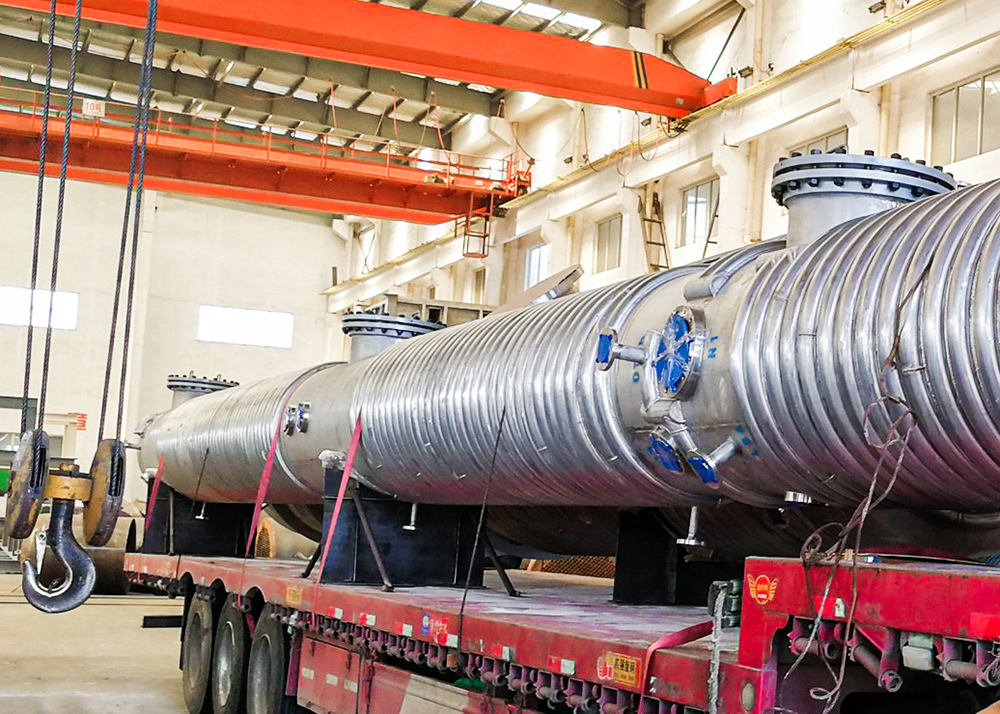
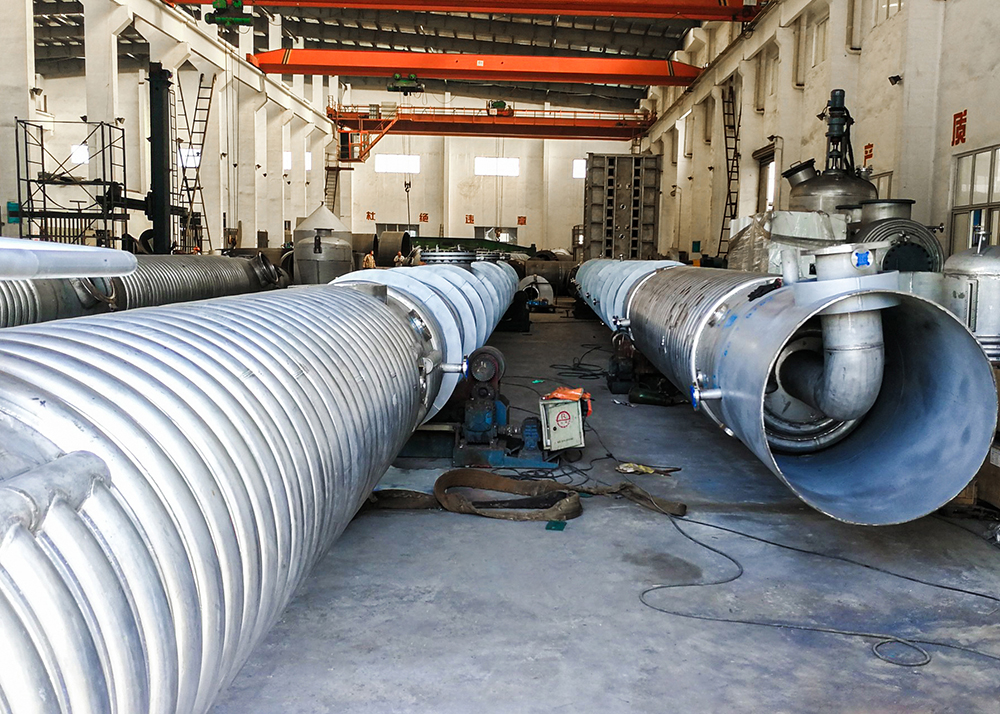
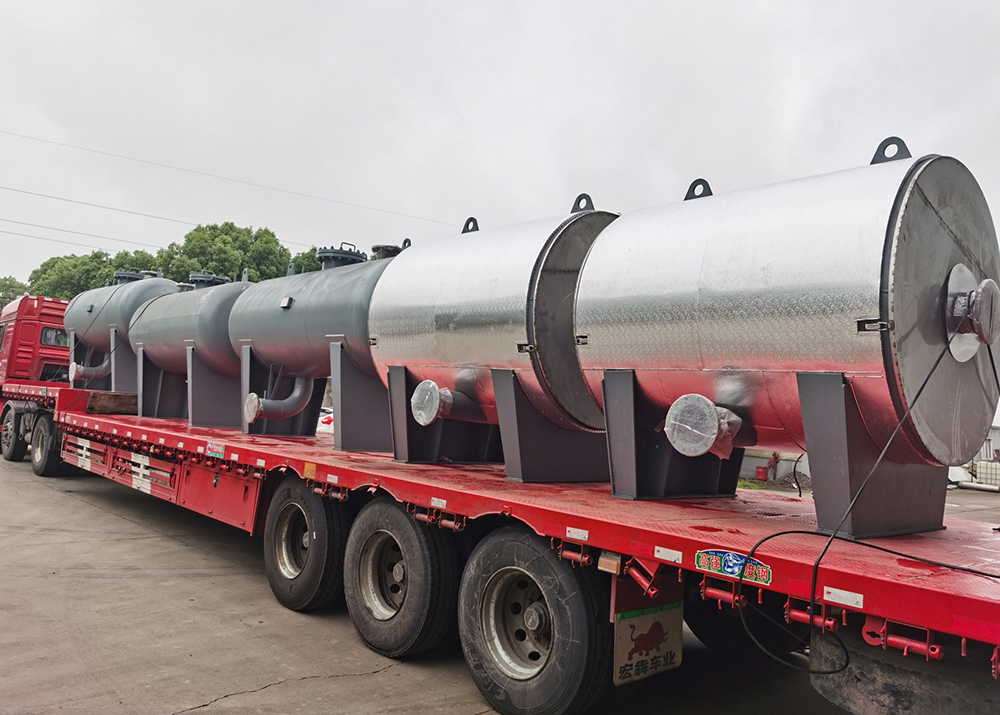
Information summary:Carbon steel spiral plate heat exchanger is a heat exchange equipment mainly made of carbon steel and using a spiral plate structure. It is mainly used for heat transfer between two fluids, and its core functions include the following aspects:
1. Realize heat exchange between cold and hot fluids
Process scenario: Used in industries such as chemical, petroleum, metallurgy, and food for heati
Carbon steel spiral plate heat exchanger is a heat exchange equipment mainly made of carbon steel and using a spiral plate structure. It is mainly used for heat transfer between two fluids, and its core functions include the following aspects:
1. Realize heat exchange between cold and hot fluids
Process scenario: Used in industries such as chemical, petroleum, metallurgy, and food for heating, cooling, condensation, or evaporation processes.
Heating: such as using high-temperature fluids (such as steam, hot oil) to heat low-temperature liquids (such as water, process media) to the required temperature for the process.
Cooling: Using low-temperature fluids (such as cooling water, coolant) to reduce the temperature of high-temperature media (such as reacted materials, compressed gases).
Condensation: Condensing steam or high-temperature gas into liquid (such as recovering solvent vapor).
Evaporation: To vaporize a liquid (such as a solvent in a concentrated solution) by heating.
2. Utilize spiral plate structure to enhance heat transfer efficiency
Structural advantages:
The fluid in the spiral channel flows in a spiral manner, with high flow velocity and varying channel cross-sections, which easily forms turbulence, reduces boundary layer thickness, and enhances heat transfer coefficient (20%~50% higher than traditional shell and tube heat exchangers).
Two fluids can achieve pure countercurrent flow (one in and one out in a spiral channel), with a large logarithmic mean temperature difference and more efficient heat utilization.
Application value: Under the same heat transfer capacity, the spiral plate structure can reduce equipment volume, material consumption, and installation costs.
3. Adapt to specific media and working conditions requirements
Corrosion resistance: Carbon steel material is suitable for non corrosive media (such as water, oil, neutral solutions, etc.). If the medium has strong corrosiveness, it can be improved by lining with stainless steel, coating, etc.
Anti scaling ability: The turbulent characteristics of spiral channels and narrow flow channels (usually 5-20 mm) can reduce the deposition of impurities in the fluid, and the anti scaling performance is better than that of shell and tube heat exchangers, suitable for media containing suspended solids or prone to scaling (such as industrial circulating water and sewage).
Pressure adaptability: It can be designed for low or medium pressure conditions (generally working pressure ≤ 2.5 MPa), suitable for heat exchange scenarios at normal or lower pressures.
4. Simplify system layout and maintenance
Compact: The spiral plate structure is flat and occupies a small area, making it easy to install in confined spaces such as ships and chemical towers.
Cleaning convenience: Some models can be mechanically cleaned by removing the end cap or by using reverse flushing (backwashing) to remove dirt from the channel, making maintenance relatively convenient.
5.Typical application scenarios
Chemical industry: Heating/cooling of reactor materials, solvent recovery condensation, and heat dissipation of circulating water systems.
Food and pharmaceuticals: fruit juice sterilization and cooling, drug concentration and evaporation, alcohol distillation and condensation.
Heating, Ventilation, and Refrigeration: Heat Exchange and Industrial Waste Heat Recovery in Central Air Conditioning Systems.
Metallurgy and Electric Power: Cooling of Rolling Oil, Cooling of Generator Bearing Oil, and Recovery of Waste Heat from Flue Gas.








 Service Hotline

 Hotline:0512-52093708
 E-mail:yutezjl@163.com
 Address:No. 101, Taojia Bridge, Dahe Village, Shanghu Town, Changshu City, Suzhou City, Jiangsu Province


 Add wechat
 Contact us
 Telephone