What is the function of a coil reactor
Information summary:The coil type reactor is a core equipment used in industrial production to achieve chemical reactions. Its core feature is the installation of a "coil" structure inside or outside the reactor body, which controls the reaction temperature correctly through heat exchange between the coil and the materials inside the reactor, while providing a stable space environment for the reaction to efficiently
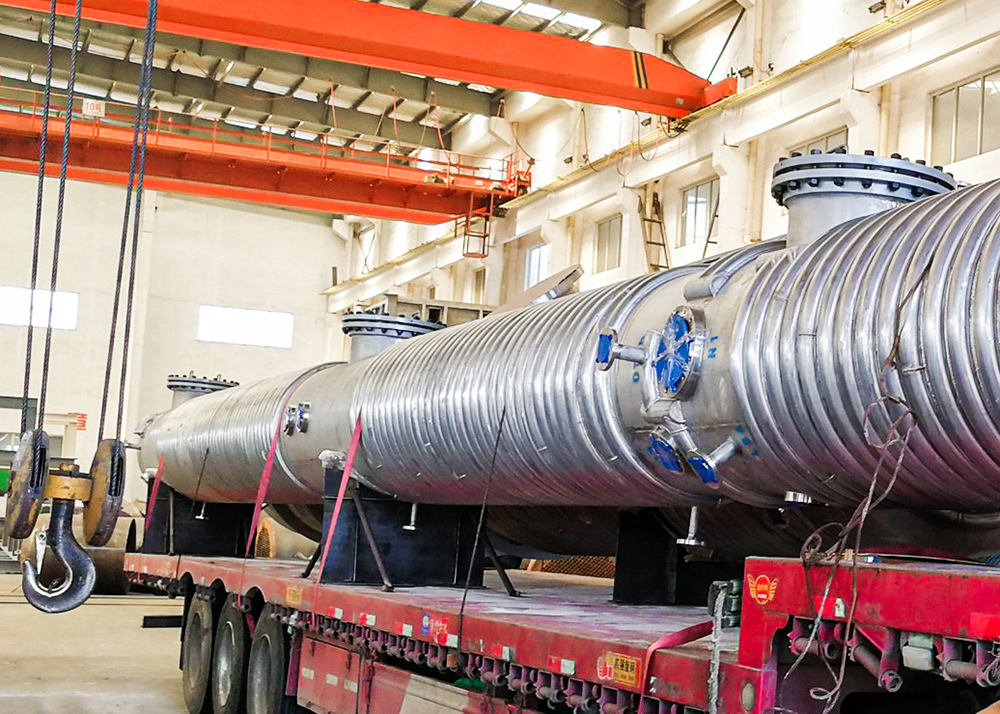
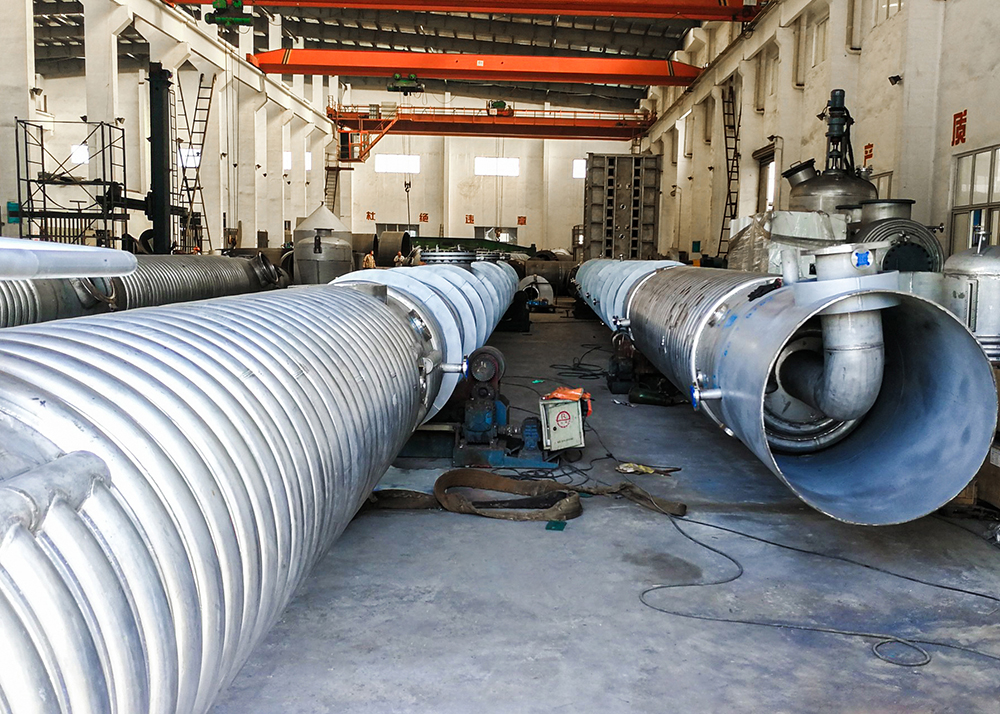
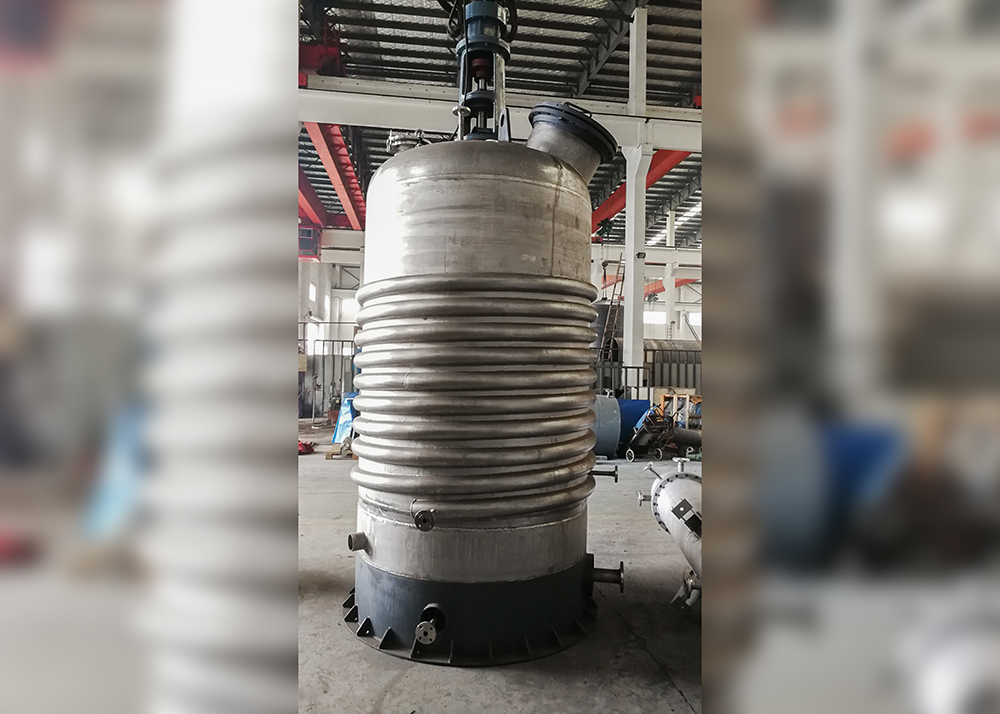
The coil type reactor is a core equipment used in industrial production to achieve chemical reactions. Its core feature is the installation of a "coil" structure inside or outside the reactor body, which controls the reaction temperature correctly through heat exchange between the coil and the materials inside the reactor, while providing a stable space environment for the reaction to efficiently and safely complete the target chemical reaction (such as synthesis, polymerization, decomposition, etc.). It is widely used in the fields of chemical engineering, medicine, food, new materials, etc.
Its core function can be broken down into three key dimensions, essentially "creating controllable and efficient conditions for chemical reactions":
1. Correct temperature control: ensuring stable reaction (core function)
Chemical reactions are extremely sensitive to temperature - excessive temperature may lead to an increase in side reactions and material decomposition; If the temperature is too low, the reaction rate will slow down or even stagnate. The "coil" of the coil type reactor is designed to solve the problem of "temperature control":
Heating/cooling medium channel: Heat medium (such as steam, thermal oil) or refrigerant (such as cooling water, frozen salt water) can be introduced into the interior of the coil, and heat exchange can be directly carried out between the coil wall and the materials inside the kettle, quickly adjusting the temperature inside the kettle;
Strong uniformity of temperature control: Coils are usually distributed in a spiral or even pattern along the inner wall of the reactor, which can cover a larger heat exchange area and avoid excessive local temperature differences inside the reactor (compared to traditional "jacket reaction reactors", coil type temperature control has higher accuracy and temperature fluctuations can be controlled within ± 1 ℃), especially suitable for reactions that require high temperature uniformity (such as pharmaceutical intermediate synthesis and polymer material polymerization).
2. Provide a stable reaction space: meet the requirements of the reaction process
In addition to temperature control, the kettle itself provides a closed and controllable environment for chemical reactions, suitable for different reaction scenarios:
Pressure bearing/sealing guarantee: The kettle body is made of high-strength steel (such as stainless steel 304, 316L), which can withstand a certain pressure (usually from atmospheric pressure to tens of MPa) and vacuum degree, suitable for reactions that need to be carried out under pressurized (such as hydrogenation reaction) or depressurized (such as distillation reaction) conditions; Simultaneously sealed structures (such as mechanical seals) can prevent the leakage of flammable, explosive, and toxic materials inside the kettle, or prevent external air from entering and affecting the reaction (such as oxidation sensitive reactions);
Suitable for mixing and material mixing: The kettle can be equipped with mixing devices (such as paddle and anchor mixers), combined with the presence of coils, which can not only ensure uniform mixing of materials (to ensure sufficient reaction), but also enhance the heat exchange efficiency between materials and coils through mixing, further improving the temperature control effect.
3. Adapt to multiple scenarios: meet the production needs of different industries
According to process requirements, coil type reaction vessels can be adapted to diverse reactions by adjusting parameters such as vessel volume, coil material, and stirring method. Typical application scenarios include:
In the field of chemical engineering, polymerization reactions of synthetic resins, coatings, and adhesives are carried out, and the polymerization degree is controlled by coil temperature control to ensure product quality;
In the pharmaceutical field, such as raw material synthesis and drug concentration, the use of coils for correct temperature control to avoid the decomposition of drug components, while sealing the environment to meet GMP (Good Manufacturing Practice) requirements;
Food field: such as sauce sterilization, synthesis of food additives, rapid heating and sterilization through steam passing through coils, or cooling of finished products with cooling water to ensure food safety.








 Service Hotline

 Hotline:0512-52093708
 E-mail:yutezjl@163.com
 Address:No. 101, Taojia Bridge, Dahe Village, Shanghu Town, Changshu City, Suzhou City, Jiangsu Province


 Add wechat
 Contact us
 Telephone